Health
A Letter to the President-Elect
How the next administration can improve global security and advance American interests by strengthening its support for social innovation in global health and development.
How the next administration can improve global security and advance American interests by strengthening its support for social innovation in global health and development.
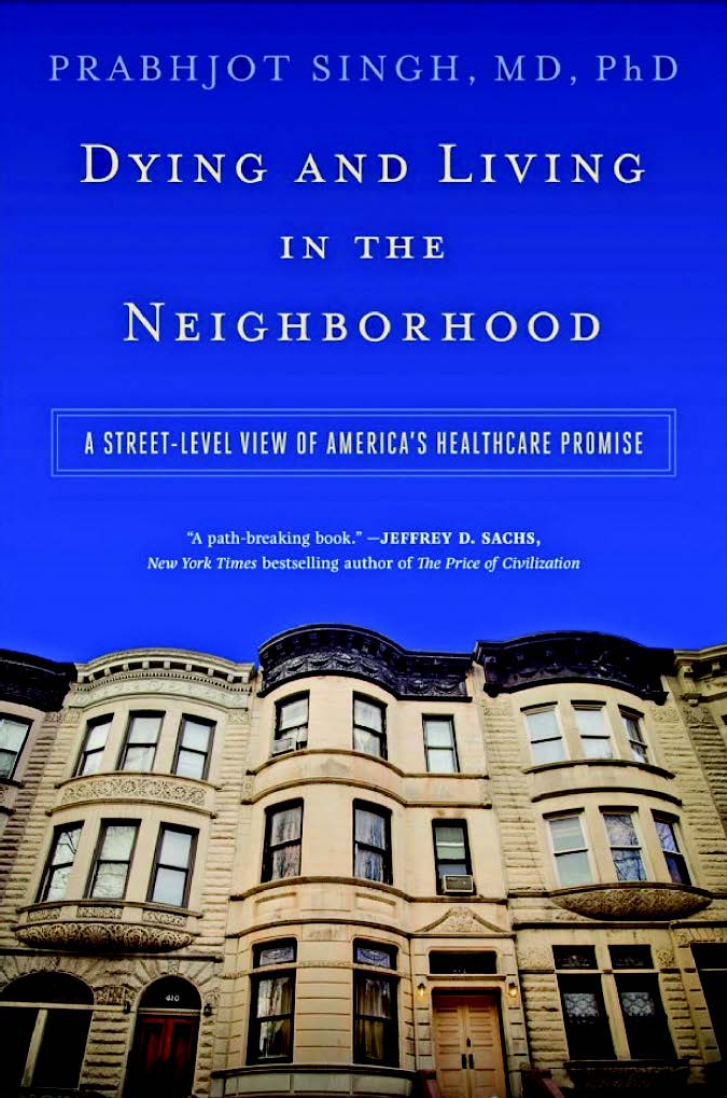
A new book makes a strong case for connecting healthcare to neighborhoods, but it could focus more on the role of race and ethnicity.
Ideas to help address the challenges of providing better care to low-income elders.
How an emergent funding strategy gave rise to a rapid-learning health system and ultimately became part of a national moonshot to eliminate cancer.

Grantee inclusion can help correct the power imbalance not only between foundations and nonprofits, but also between marginalized communities and the broader power structures that perpetuate inequity.
Care that links physical and mental health has proven to be economically and medically beneficial, but hard to implement sustainably. We can surmount these common roadblocks by emphasizing community collaboration and self-reliance.
Addressing non-urgent, lasting conditions such as poor eyesight can help unlock the full potential of the developing world.
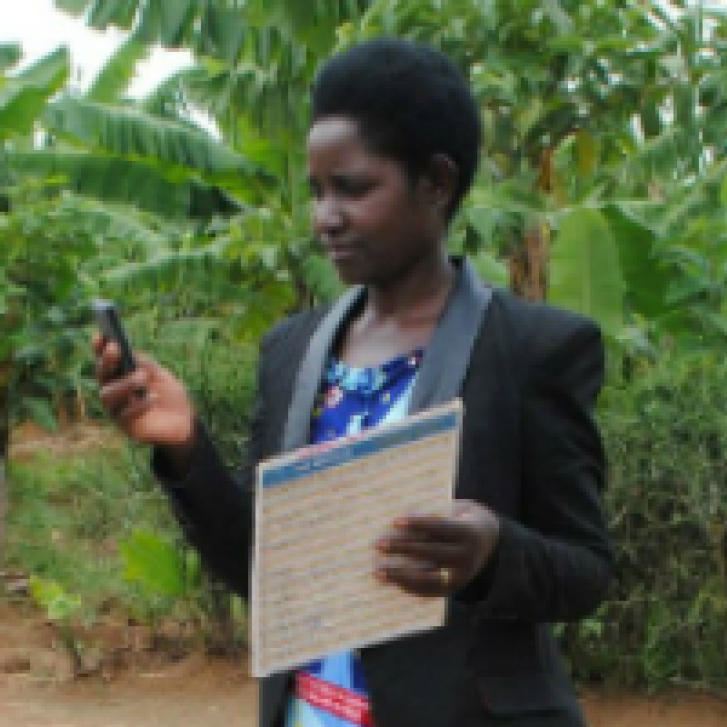
After a period of war and genocide, Rwanda launched a national health insurance program that is now delivering sharply improved outcomes.
A 21st-century collaborative framework has the potential to deliver more effective and affordable therapies by aligning and engaging all sectors of society.